
Why El Niño Weather Patterns Could Increase Your Water Damage Risk This Year
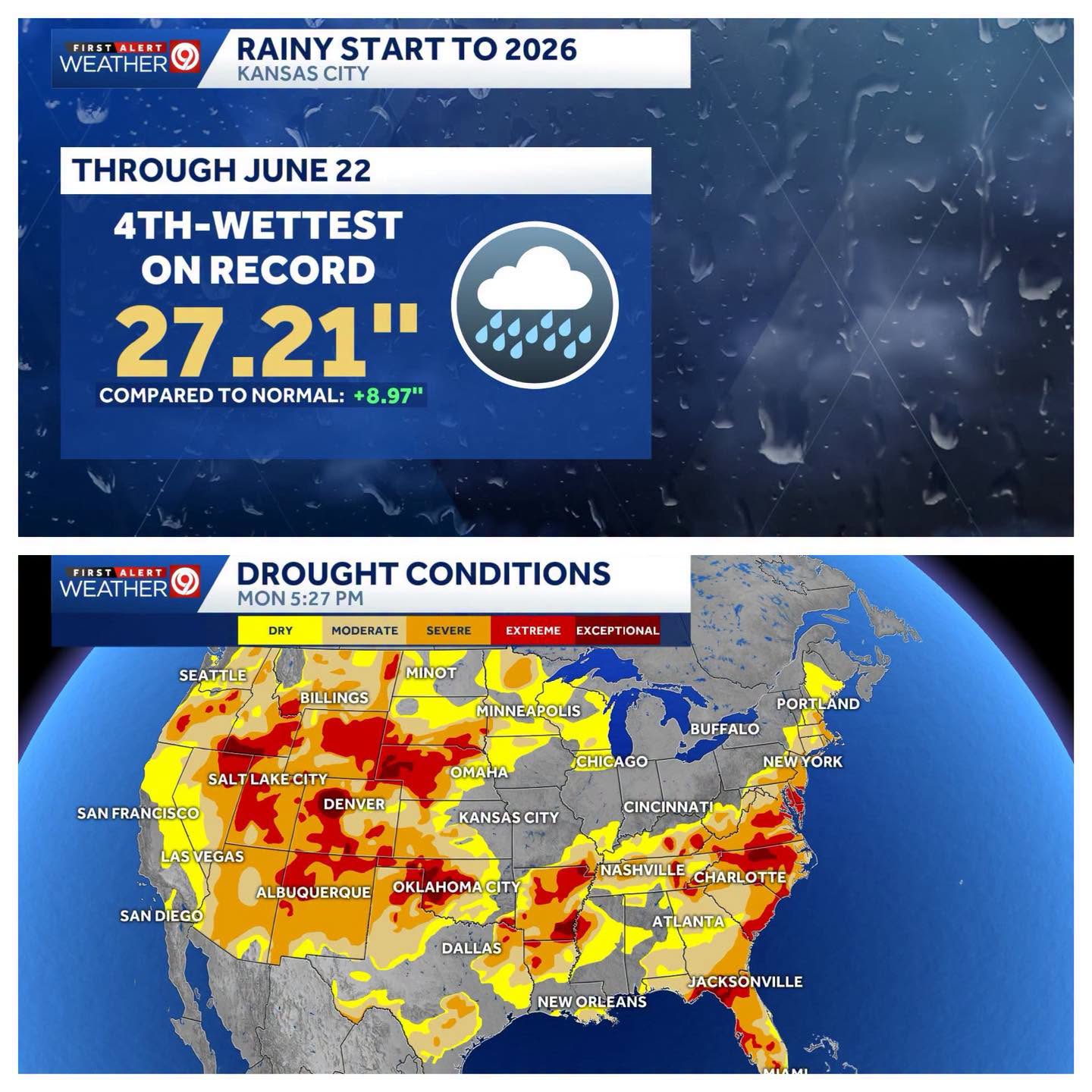
If it feels like Kansas City has seen more rain than usual this year, you're not imagining it.
Through June 22, the metro recorded 27.21 inches of rainfall, more than 8.9 inches above normal. That makes 2026 the 4th wettest start to a year on record for Kansas City.
Now there's a second factor stacking on top of that.
NOAA's Climate Prediction Center confirmed this month that El Niño conditions have officially developed in the Pacific Ocean, and forecasters expect the pattern to strengthen through fall and into winter.
El Niño doesn't create rain on its own, but it shifts storm tracks and moisture patterns across North America in ways that often mean more precipitation for parts of the central United States, including ours.
Most people hear "El Niño" and think it's a vague forecasting buzzword that belongs on the evening news, not something connected to their basement. But the timing here matters. Kansas City's soil is already saturated from one of the wettest starts to a year on record. Saturated ground can't absorb water the way dry ground can. When an El Niño-driven wet pattern adds more rain on top of soil that's already full, water has fewer places to go. It pools faster. It pushes against foundations harder. It finds its way into basements, crawl spaces, and wall cavities sooner than most homeowners expect.
That's the real risk for Kansas City property owners this year. Not a single dramatic flood, but a slow accumulation of conditions that make water intrusion more likely, and make hidden water damage easier to miss until it's expensive.
Why Should You Listen to Us?
We've sat with Kansas City homeowners at their kitchen table while they tried to figure out if their insurance was actually going to cover the mess in their basement.
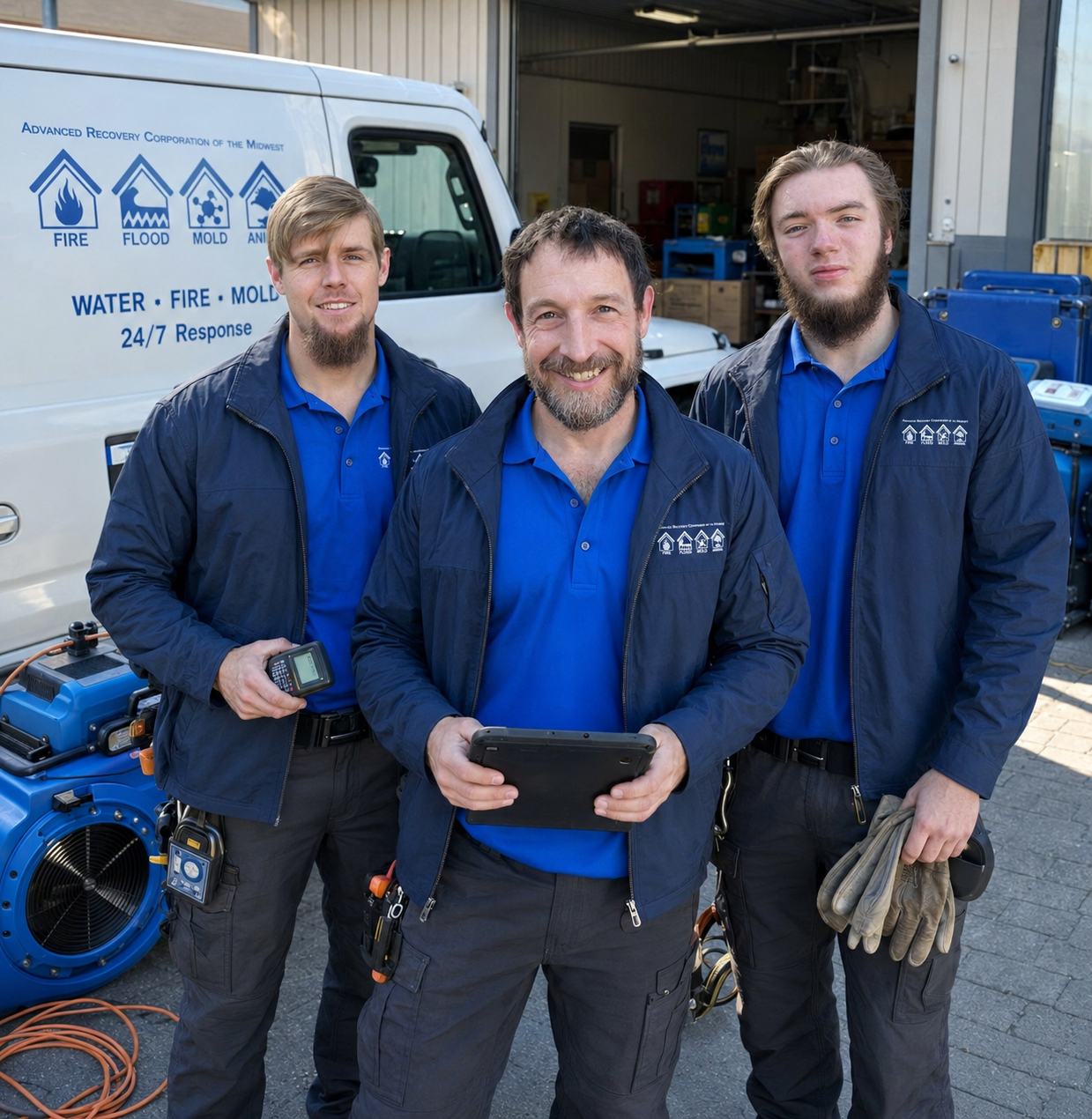
We've been called out at midnight because a pipe burst and nobody knew where the water shutoff even was. We've walked into flooded basements the morning after a storm, when the homeowner had been up half the night with a shop vac, convinced they were handling it, only to find out the water had already soaked into places they couldn't see.
We've seen what happens when people wait, hoping it'll dry on its own. And we've seen the relief on someone's face when they finally have a clear answer about what's actually going on in their home and what it's going to take to fix it.
This isn’t generic internet advice.
This is what we walk Kansas City homeowners through every single week, and you can get a free inspection of your home or property right here.
What Are El Niño Weather Patterns and How Do They Affect Kansas City
El Niño is a natural warming cycle in the Pacific Ocean. Roughly every two to seven years, sea surface temperatures in the central and eastern tropical Pacific rise above normal for an extended stretch. That warming shifts the position of the jet stream and alters storm tracks across the globe, including over North America.
Meteorologists monitor El Niño closely because its effects are predictable enough to plan around months in advance. During a typical El Niño pattern, the storm track tends to shift south across the United States, which often brings wetter conditions to the southern Plains and Midwest, including Kansas and Missouri. No two El Niño events behave identically, but the general tendency toward more moisture in our region is well established.
For Kansas City property owners, the relevant point is straightforward: a pattern forming thousands of miles away in the Pacific Ocean can directly influence rainfall on your roof, your yard, and your foundation in the months ahead.
Why El Nino-Style Storms Are So Tough on Basements
Not every city deals with the same basement risks.
Kansas City homes face a unique combination of heavy rainfall, older foundations, clay-heavy soil, and fast-changing weather patterns that can overwhelm drainage systems.
Here’s why storm season can be especially hard on basements in our area:
1. Heavy Rain Can Overwhelm Drainage Systems
When Kansas City gets repeated rainfall in a short period of time, the ground can become oversaturated.
Once soil stops absorbing water, that moisture has to go somewhere... and often it pushes against your foundation walls.
Over time, water finds weak spots:
Small foundation cracks
Basement window wells
Gaps around plumbing penetrations
Aging waterproofing systems
Even a small leak can become major water damage if ignored.
2. Sump Pump Failures Happen at the Worst Possible Time
Many Kansas City basements depend heavily on sump pumps during storm season.
But here’s the problem:
Sump pumps often fail during the exact storms homeowners need them most.
We regularly see issues caused by:
Power outages during severe storms
Old or failing sump pumps
Clogged discharge lines
Pumps that simply can’t keep up with excessive rainfall
Homeowners often don’t realize there’s a problem until water is already spreading across the basement floor.
3. Older Kansas City Homes May Have Foundation Vulnerabilities
Many homes around Kansas City, Independence, Shawnee, Overland Park, and older neighborhoods throughout the metro were built decades ago.
Over time, foundations settle.
Small cracks form.
Drainage systems age.
That means older basements are often more vulnerable to moisture intrusion during storm season.
Even homes that “have never flooded before” can suddenly experience water issues after an unusually strong storm.
Hidden Water Damage Kansas City Homeowners Often Miss
Many homeowners assume that once the visible water is gone, the problem is resolved. The carpet dries. The puddle disappears. The fans get put away. But visible water is often only a small fraction of the actual damage.
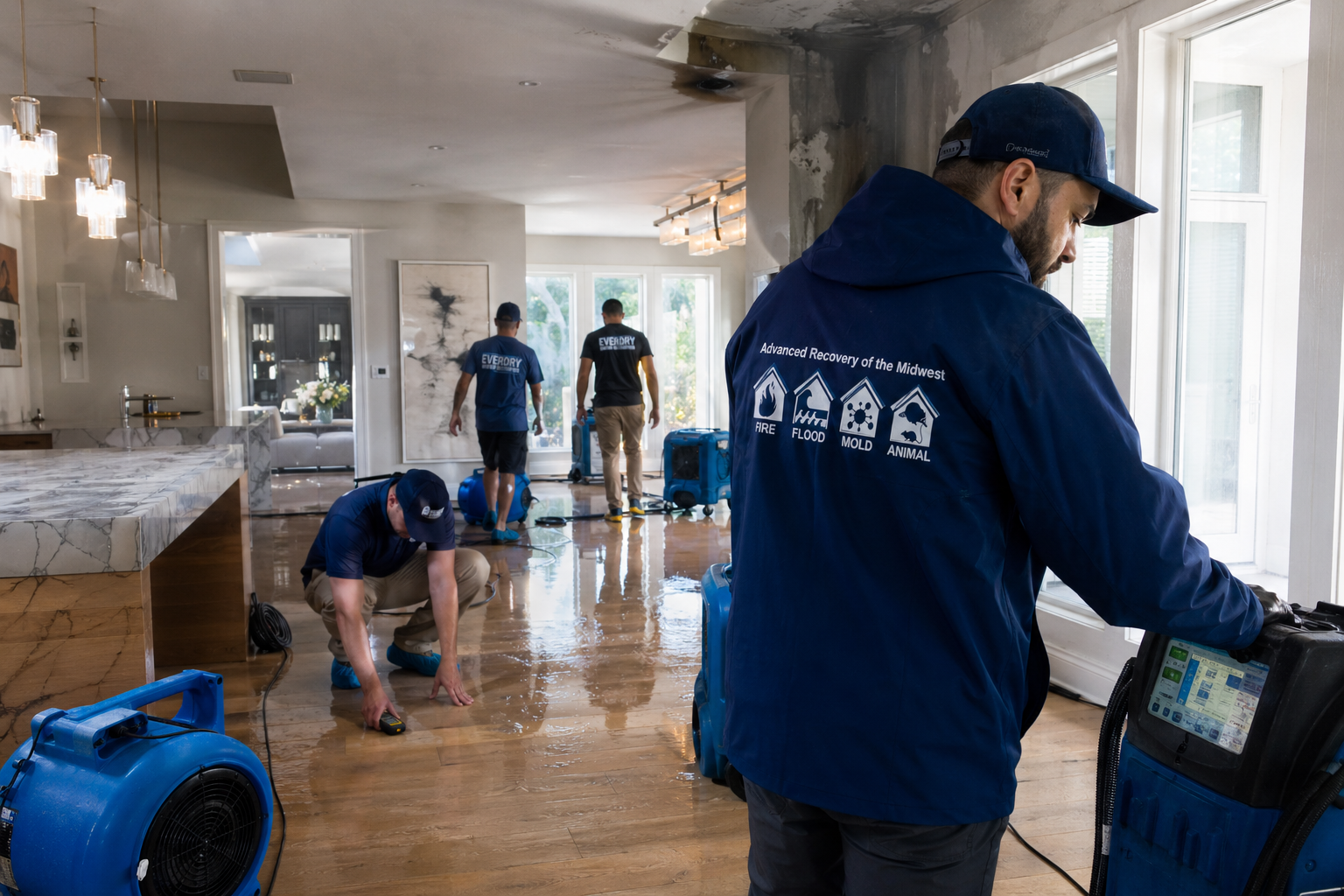
Behind drywall, insulation can stay wet for weeks without detection. Moisture trapped beneath flooring can cause subfloor saturation and warping long after the surface appears dry. Wall cavities can hold humidity that slowly breaks down structural materials and creates the conditions mold needs to grow. None of this is visible by looking at a dry floor.
This is why "it dried up" and "I don't see any damage" are two of the most costly misconceptions in water damage restoration. The damage that isn't visible is usually the damage that costs the most to repair later.
Why Fast Water Damage Response Reduces Restoration Costs
The faster water damage is identified and contained, the more of your property can be saved and the lower your overall restoration cost will be. That's the principle behind our Rapid Damage Containment System, which follows five steps:
Immediate Damage Assessment. We identify the source and scope of the water intrusion right away, not after guessing.
Contain Further Damage. We stop the water from spreading to unaffected areas of the property.
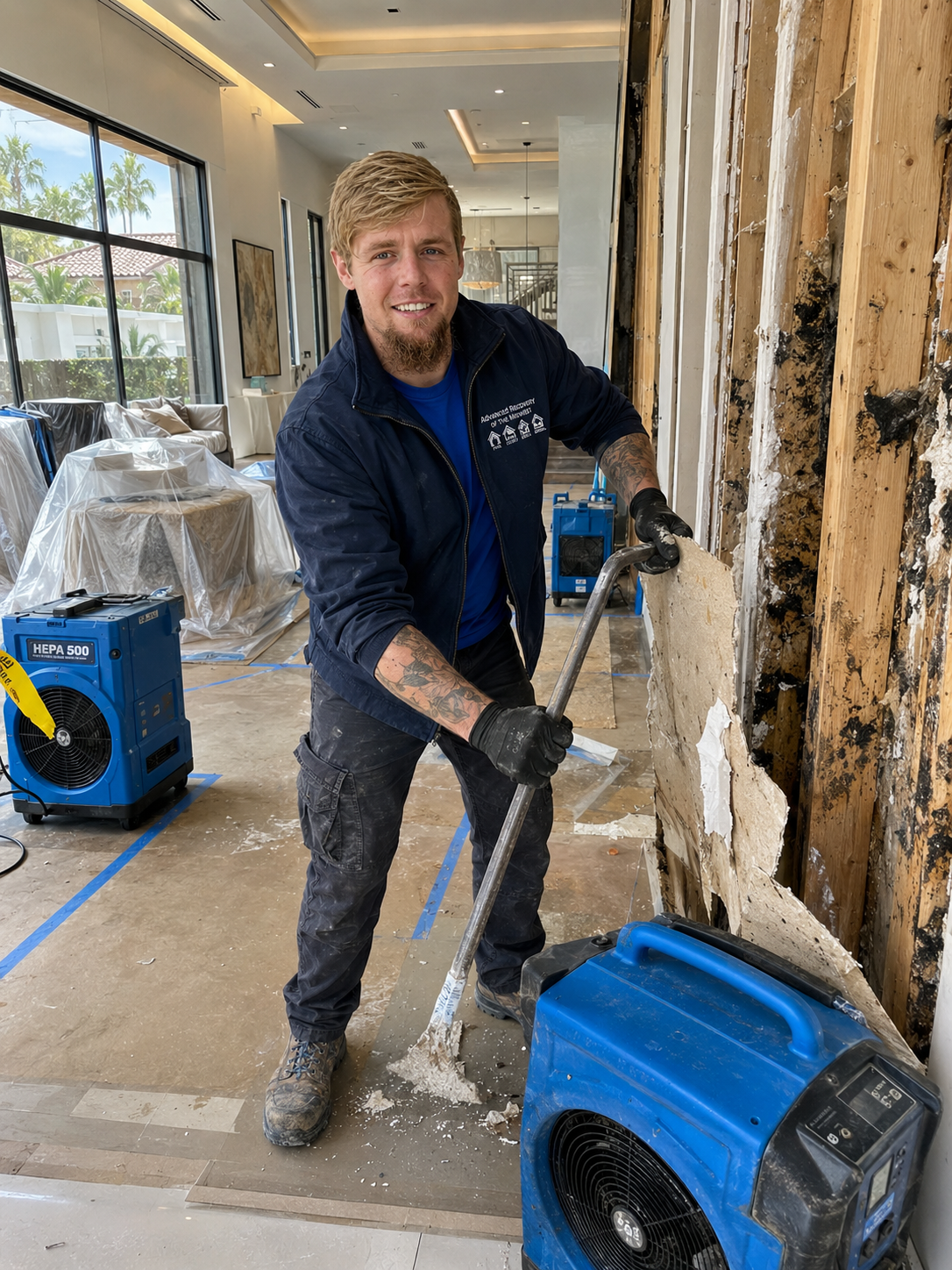
Detect Hidden Moisture. Using moisture readings and detection equipment, we find saturation behind walls and under floors that isn't visible to the eye.
Professional Drying and Dehumidification. We use structural drying equipment designed to dry materials from the inside out, not just surface-dry them.
Documentation and Verification. We document moisture readings throughout the process, which supports your insurance claim if you need to file one.
Every hour water sits untreated, it spreads further into materials that are expensive to replace. Rapid response is the difference between a manageable repair and a major renovation.
Warning Signs of Water Damage and Mold Risk in Kansas City Homes
After any heavy rainfall or flooding, watch for these warning signs:
Musty odors that don't go away with cleaning
Bubbling or peeling paint
Water stains on ceilings or walls
Soft or spongy drywall
Warped or buckling flooring
Persistent humidity in one area of the home
Visible mold growth
Damp or discolored basement walls
Any one of these on its own might be minor. Several together, or any of them following a heavy rain event, are worth a professional inspection before they develop into a larger problem.
What to Do After Heavy Rainfall or Flooding in Kansas City
Do:
Inspect basements, crawl spaces, and areas around windows and doors after any significant rain
Document any visible damage with photos immediately, in case you need it for an insurance claim
Move valuables and furniture away from affected areas
Schedule a professional inspection, especially if you notice any of the warning signs above
Don't:
Assume materials are drying correctly just because the surface looks dry
Wait until mold appears to take action
Ignore damp areas because they seem minor
Delay mitigation, since every day that passes gives water more time to spread AND your insurance may deny the claim if immediate action was not taken
Why Local Water Damage Restoration Experience Matters in Kansas City
Kansas City weather doesn't behave like weather anywhere else.
Our clay soil, our older housing stock, and our specific storm patterns all affect how water moves through a property once it gets in.
A national chain with a call center in another state doesn't know what soil saturation looks like in Johnson County after the wettest start to a year in over a century, or how a foundation in a decades-old Kansas City home handles hydrostatic pressure differently than new construction in the suburbs.
Advanced Recovery of the Midwest has handled water damage restoration across the Kansas City metro long enough to understand the patterns specific to this region.
Our lead technician personally handles inspections, which means you're working directly with the person who understands your situation, not routed through layers of a large company.
We use advanced moisture detection equipment to find damage that isn't visible, and we document everything along the way to support your insurance claim if you need one.
The Bottom Line on El Niño and Water Damage Risk in Kansas City
El Niño weather patterns are forecast to strengthen heading into fall and winter, arriving on top of ground that's already saturated from the 4th wettest start to a year Kansas City has recorded. Hidden moisture causes real damage long before it becomes visible. The faster water is identified and contained, the lower the cost and the less you lose.
The best time to address water damage is before it becomes visible, not after.
Concerned About Water Damage After Recent Storms or Heavy Rainfall?
Contact Advanced Recovery of the Midwest to schedule a professional assessment and learn how our Rapid Damage Containment System™ helps Kansas City property owners stop damage early, reduce mold risk, and protect their homes and businesses. Give us a call.