
What Kansas City Storm Season Can Do to Your Basement (And How to Prevent Water Damage)
If you’ve lived in Kansas City long enough, you already know storm season can get intense.
One week it’s heavy spring rain. The next it’s flash flooding, severe thunderstorms, or a sump pump suddenly giving up after running nonstop. And for many homeowners, the first sign something is wrong comes when they walk downstairs and notice a damp smell, wet carpet, warped flooring, or standing water in the basement.
The frustrating part?
A lot of basement water damage starts quietly. By the time you notice it, moisture may already be inside walls, under flooring, or creating the perfect conditions for mold.
If you’re wondering whether your basement is vulnerable during Kansas City storm season (or how to protect it before the next major storm hits) this guide will walk you through exactly what to watch for and what to do.
Why Should You Listen to Us?
We’ve helped Kansas City homeowners through basement flooding after spring storms, heavy summer rain, frozen pipe bursts, sump pump failures, and water intrusion from aging foundations.
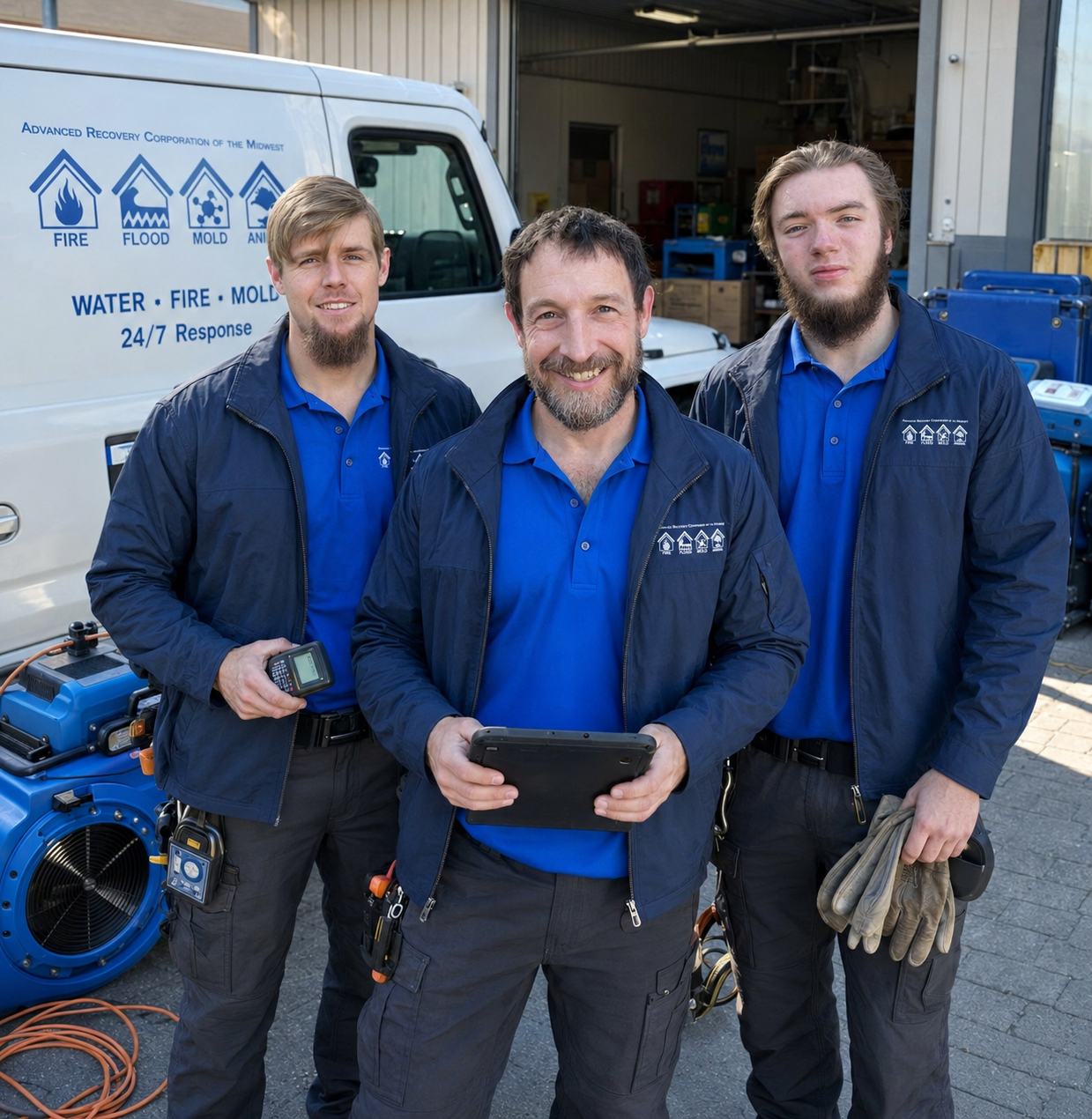
We’ve stood in flooded basements after overnight storms. We’ve seen what happens when water sits too long. And we’ve also seen how preventable many of these situations are when homeowners know what to look for early.
This isn’t generic internet advice.
These are the same basement risks and prevention steps we talk homeowners through every week right here in the Kansas City metro.
What You’ll Get From This Guide
By the end of this article, you’ll know:
Why Kansas City homes are especially vulnerable to basement water damage
The most common ways storms cause basement flooding
Early warning signs homeowners often miss
Practical ways to reduce your risk before the next big storm
When it’s time to stop DIY-ing and call for professional help
Why Kansas City Storms Are So Tough on Basements
Not every city deals with the same basement risks.
Kansas City homes face a unique combination of heavy rainfall, older foundations, clay-heavy soil, and fast-changing weather patterns that can overwhelm drainage systems.
Here’s why storm season can be especially hard on basements in our area:
1. Heavy Rain Can Overwhelm Drainage Systems
When Kansas City gets repeated rainfall in a short period of time, the ground can become oversaturated.
Once soil stops absorbing water, that moisture has to go somewhere... and often it pushes against your foundation walls.
Over time, water finds weak spots:
Small foundation cracks
Basement window wells
Gaps around plumbing penetrations
Aging waterproofing systems
Even a small leak can become major water damage if ignored.
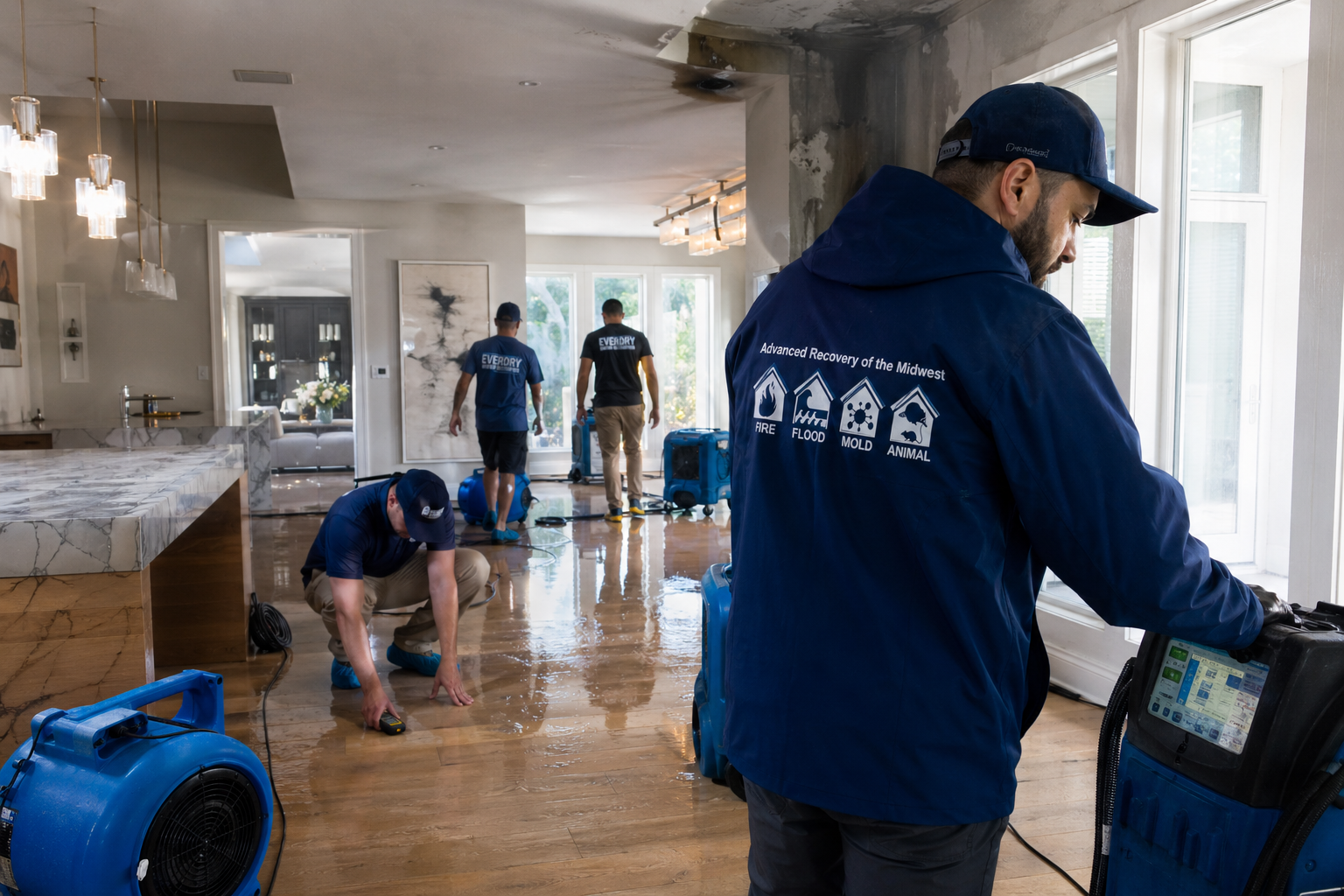
2. Sump Pump Failures Happen at the Worst Possible Time
Many Kansas City basements depend heavily on sump pumps during storm season.
But here’s the problem:
Sump pumps often fail during the exact storms homeowners need them most.
We regularly see issues caused by:
Power outages during severe storms
Old or failing sump pumps
Clogged discharge lines
Pumps that simply can’t keep up with excessive rainfall
Homeowners often don’t realize there’s a problem until water is already spreading across the basement floor.
3. Older Kansas City Homes May Have Foundation Vulnerabilities
Many homes around Kansas City, Independence, Shawnee, Overland Park, and older neighborhoods throughout the metro were built decades ago.
Over time, foundations settle.
Small cracks form.
Drainage systems age.
That means older basements are often more vulnerable to moisture intrusion during storm season.
Even homes that “have never flooded before” can suddenly experience water issues after an unusually strong storm.
How to Prevent Basement Water Damage During Kansas City Storm Season
The good news? A few intentional steps taken before storm season can be the difference between a dry basement and a 2am panic call.
Here's what actually works.
Clean Your Gutters and Downspouts (And Then Check Where the Water Goes)
Most people clean their gutters and call it done. But the real question is: where is that water actually going once it leaves the downspout?
If your downspout extension is dumping water 6 inches from your foundation, you've cleaned your gutters and solved nothing. Water needs to discharge a minimum of 4–6 feet away from your home—and on flat lots, which Kansas City has plenty of, even that isn't always far enough.
Walk your perimeter the next time it rains hard. Watch where water pools, where it runs, and where it's heading. That 10-minute observation is worth more than any amount of Googling.
Test Your Sump Pump Now, Not When You Hear Thunder
Your sump pump is the last line of defense between a Kansas City spring storm and your finished basement. Most homeowners have no idea if theirs actually works until it doesn't.
Here's a simple test: pour a five-gallon bucket of water slowly into the sump pit and watch what happens. The float should rise, the pump should kick on, and the water should clear within 30–60 seconds. If it hesitates, makes grinding noises, or you realize mid-test that you don't actually know where the discharge line exits, those are things worth knowing now.
While you're at it: check the discharge line outside for blockages. A frozen or clogged discharge line in early spring is one of the most common reasons sump pumps fail during the exact storms they're needed most.
Battery backup systems are worth the investment. When a severe storm knocks out power—which happens in Kansas City—your primary pump goes with it. A battery backup or water-powered backup keeps the system running when conditions are worst.
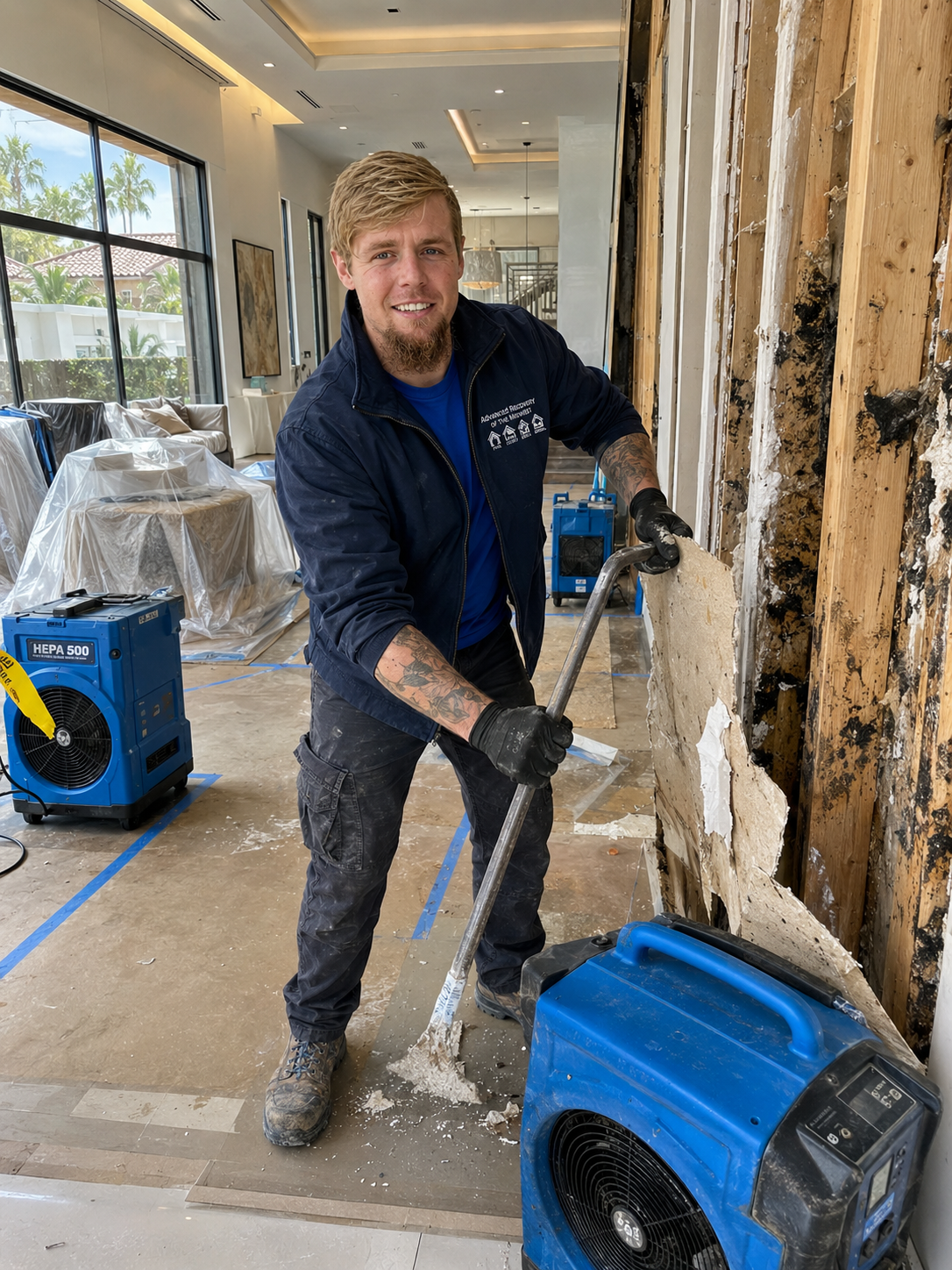
Inspect Your Foundation Cracks Before the Ground Saturates
Not all foundation cracks are emergencies. Hairline cracks in poured concrete are common and often stable. But new cracks, widening cracks, horizontal cracks, or cracks with staining or efflorescence (the white chalky residue left behind when water moves through concrete) deserve attention before storm season arrives.
If you've noticed a crack that wasn't there last year, or one that seems wider than it used to be, get a structural opinion before the ground saturates. Hydrostatic pressure (the force water exerts against your foundation when the soil is soaked) is highest during Kansas City's April through June storm season. That's not the time to be watching a crack you've been meaning to check on.
Regrade Your Yard If Water Is Running Toward the House
Your yard should slope away from your foundation at a rate of about 1 inch per foot for the first 6 feet around the house. If that slope has settled, eroded, or was never right to begin with, water follows gravity directly toward your basement wall every time it rains.
This is one of the most common and quietly expensive issues we see in Kansas City homes, particularly in older neighborhoods where landscaping and soil have shifted over decades. In many cases, regrading a problem area costs a few hundred dollars. The water damage it prevents can cost tens of thousands.
Walk your foundation line after a heavy rain and look for water pooling against the house. If it's sitting there, it's finding a way in, or it's looking for one.
Don't Ignore Small Leaks. Seriously.
This is the one we wish we could say louder.
A small amount of water in your basement after a heavy storm feels manageable. You run a fan, maybe a dehumidifier, it seems to dry out, and you move on. We understand. It's easy to talk yourself into "it'll be fine."
Here's what we see on the other end of that decision: homeowners who call us 6 or 8 months later because something smells off, or the flooring is buckling, or they're selling the house and the inspector found something. By then, moisture that was never fully extracted has been sitting inside wall cavities, under flooring, or in insulation, and mold has had months to establish itself in a space nobody was watching.
Moisture doesn't announce itself. It hides. And in Kansas City's humid summers, hidden moisture doesn't dry on its own. It festers.
If you're seeing water intrusion, even a little, even occasionally, the question worth asking isn't "is this bad enough to deal with?" It's "what's actually happening that I can't see?"
That's a question we're always willing to help you answer. Give us a call.